
The Role of Luck in Casino Games
Luck is often described as the unpredictable element in casino games, determining outcomes that players have no direct control over. In games like roulette, a player’s success hinges on where the ball lands, influenced by various factors, including physics, but ultimately left to chance. This element of luck is critical, as it creates a sense of thrill and excitement, drawing players back to the gaming tables even when they experience losses. Many players enjoy the excitement of a fast withdrawal casino uk real money experience, as the inherent uncertainty of luck adds to the allure of gambling, making each session unique and unpredictable.
In many casino games, such as slot machines or baccarat, luck plays a more prominent role than skill. The outcomes in these games are determined by random number generators or the draw of cards, which players cannot influence. Despite strategies that might suggest otherwise, these games predominantly rely on luck, making each round a different experience with varying results. This unpredictability is what makes gambling appealing for many, as it offers the possibility of winning big with minimal effort, reinforcing the idea that fortune can smile on anyone at any moment.
However, it is essential to recognize that while luck can lead to significant wins, it can just as easily lead to losses. Players must understand that relying solely on luck can be risky; it can create a false sense of security. As enticing as it may be to think that fortune can turn at any moment, consistent losses can occur if players are not mindful of their strategies and bankroll management. Thus, while luck fuels the excitement of casino games, it must be accompanied by a sensible approach to enhance the overall gaming experience and mitigate potential losses.
The Importance of Skill in Strategy Games
In contrast to games driven primarily by luck, many casino games require a level of skill and strategy to increase the odds of winning. Take poker, for instance, where understanding probabilities, reading opponents, and employing strategies are crucial elements of gameplay. Successful players utilize their knowledge to make informed decisions, such as when to fold or raise, thus significantly affecting their chances of winning throughout a session. This combination of psychology and strategy positions skill-based games as more complex and rewarding compared to luck-based ones.
Skill-based games also include blackjack, where players can influence the outcome by using techniques such as card counting or basic strategy. In blackjack, recognizing patterns and probabilities allows players to make moves that can sway the odds in their favor. This interplay of skill and chance keeps players engaged and challenges them intellectually, often leading to a more rewarding experience than games primarily based on luck. The satisfaction derived from employing skill effectively can be deeply fulfilling, making players feel more in control of their gaming experience.
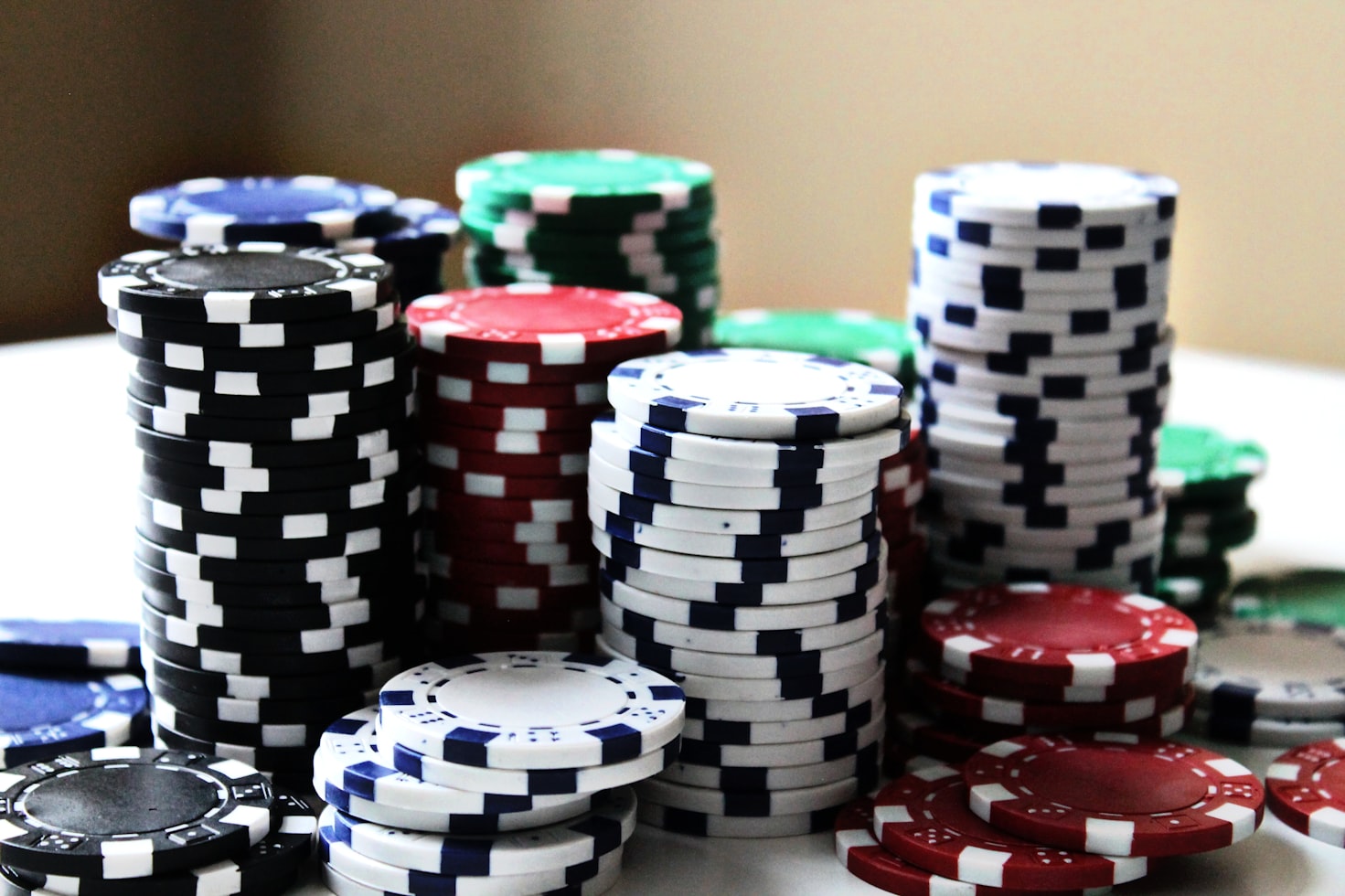
Moreover, skilled players who consistently employ sound strategies often find themselves at an advantage over their less experienced counterparts. This disparity leads to a sense of accomplishment and enhances the overall enjoyment of the game. It’s not just about winning; it’s about the satisfaction of outmaneuvering an opponent through strategic skill, demonstrating that while luck plays a role, skill is equally essential in high-stakes environments. The ability to develop and adapt strategies over time adds layers of depth to these games, making them appealing to those who enjoy challenges.
Finding the Balance Between Luck and Skill
Understanding the relationship between luck and skill is fundamental for any casino player. While some games are purely luck-based, recognizing the games where skill can be applied is crucial for long-term success. For instance, players may enjoy the thrill of a slot machine but could benefit from honing their skills in blackjack or poker, where methodical approaches can turn the tide in their favor. This balance can lead to more enjoyable and potentially profitable gaming experiences, as players learn to navigate the complexities of different game types.
In the world of gambling, players often find themselves in a continuous cycle of highs and lows dictated by both luck and skill. Recognizing when to rely on skill and when to accept the role of luck can create a smoother gaming experience. For example, a player may hit a winning streak at a poker table by employing their expertise, but those same skills may falter when faced with a series of unfortunate hands—a reminder that even the most skilled players are subject to the whims of chance. This understanding can help temper expectations and cultivate a more balanced approach to gambling.
Furthermore, learning to comprehend this balance can also prevent emotional pitfalls that often accompany gambling. When players understand the inherent risks and variability in outcomes based on both luck and skill, they can better manage their expectations and remain temperate regardless of the outcome. This awareness can foster a more enjoyable environment, encouraging responsible gambling while still appreciating the excitement each round brings. Ultimately, finding harmony between these two elements is key to maximizing the enjoyment and success of casino gaming.
Psychological Aspects of Luck and Skill in Gambling
The psychological relationship between luck and skill in gambling can heavily influence player behavior and decision-making. Players often develop a gambler’s fallacy, assuming that past events will affect future outcomes, particularly in games of chance. For example, someone may believe that if a particular number hasn’t appeared in roulette for several spins, it is “due” to come up, leading to emotional betting decisions that are not based on statistical reality. This cognitive bias can lead to irrational choices and increased losses.

Conversely, when skill is involved, players may feel a heightened sense of control and confidence in their decisions. This can create an addictive loop where players continually seek out games where their skills can shine. However, this overconfidence can also lead to significant losses if players misjudge their abilities or ignore gambling’s inherent risks. Understanding this psychological dynamic is vital for players aspiring to maintain control over their gaming habits, as it can help them make more rational choices and safeguard their bankrolls.
Additionally, the thrill of luck and the satisfaction of skill can create profound emotional responses. Players who win due to luck may experience euphoria and excitement, while those who utilize skill may feel pride and accomplishment. These emotional highs and lows contribute to the overall gambling experience, making it vital for players to remain aware of how their emotions can influence their gambling strategies and decisions. By recognizing these factors, players can work towards a more balanced and enjoyable gambling experience.
Exploring More about Casino Games
As players navigate the exciting world of casino games, understanding the interplay of luck and skill is crucial for enhancing their experience. Many online platforms offer extensive resources, strategies, and insights into various games that can help players improve their skills while understanding the role of luck in gameplay. By engaging with such resources, players can make informed decisions and develop an approach that balances these two essential elements. The more knowledgeable players become, the better equipped they are to maximize their enjoyment and potential returns.
Furthermore, participating in online gaming communities can foster discussions on strategies, techniques, and experiences, providing players with different perspectives on how to approach their gaming endeavors. These communities often share tips on managing bankrolls, recognizing when to play more skill-driven games, and how to maintain emotional control throughout their gaming journey. Exploring these avenues allows players to grow both personally and strategically in the realm of casino games, enriching their overall experience.
Ultimately, being well-informed about the dynamics of luck and skill can empower players, allowing them to enjoy not only the thrill of the game but also the satisfaction of skillful play. This approach opens doors to a deeper appreciation of casino games, transforming each session into not just a gamble, but a rewarding and enriching experience. By cultivating an understanding of these elements, players can navigate the delightful complexities of gambling responsibly and enjoyably, ensuring that every visit to the casino is both thrilling and fulfilling.
Recent Comments